


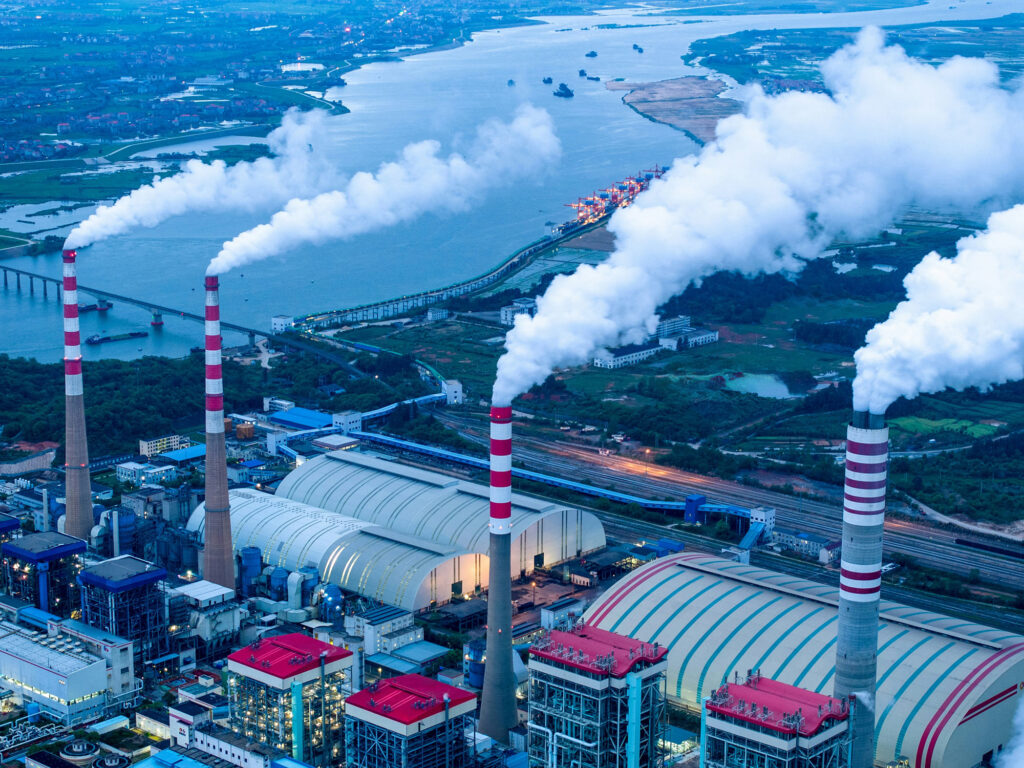
In recent weeks, rumors have circulated regarding a possible suspension of tariffs on urea and ammonia, accompanied by signals that the European Commission might soften its stance on CBAM. Should these reports be confirmed, the implications would extend far beyond the chemical sector, striking at the very heart of Europe’s industrial sustainability strategy.
What is CBAM and why was it introduced?
The Carbon Border Adjustment Mechanism entered its transitional phase in 2023 with a clear-cut objective: to prevent heavy polluters from gaining a competitive edge. It ensures that products manufactured in regions with lower environmental standards do not enter the European market without paying for their CO₂ emissions.
Essentially, the mechanism requires exporters to Europe to purchase certificates corresponding to the carbon price already paid by European companies under the ETS (Emissions Trading System). It is crucial not to mistake CBAM for protectionism; its goal is to level the playing field on a specific variable—the cost of emissions—which would otherwise systematically penalize those who have invested in efficiency and decarbonization.
Questioning this principle means undermining one of the few tools that directly bridges sustainability and market dynamics. If environmental costs are not internalized for imports as well, the result is a competitive distortion that punishes those investing in cleaner processes—the exact opposite of what a transition-oriented industrial policy should achieve.
The Case of Ammonia
The ammonia sector is emblematic of this struggle, and it is no coincidence that it has become the focal point of the debate. It is a strategic supply chain underpinning numerous industrial and agricultural applications, yet it is also one of the sectors most exposed to emissions challenges.
Ammonia production is traditionally energy-intensive and carbon-intensive. The foundational Haber-Bosch process relies on hydrogen produced almost entirely from natural gas, resulting in significant CO₂ emissions per ton of product. European industry already operates under stringent environmental regulations and high carbon costs; consequently, it is currently undertaking massive investments to develop alternative pathways.
If CBAM is diluted or suspended, high-carbon products from third countries could flood the European market at significantly lower prices, bypassing the carbon costs inherent in their production. For European producers who are already footed with these bills, this would represent a direct and immediate penalty.
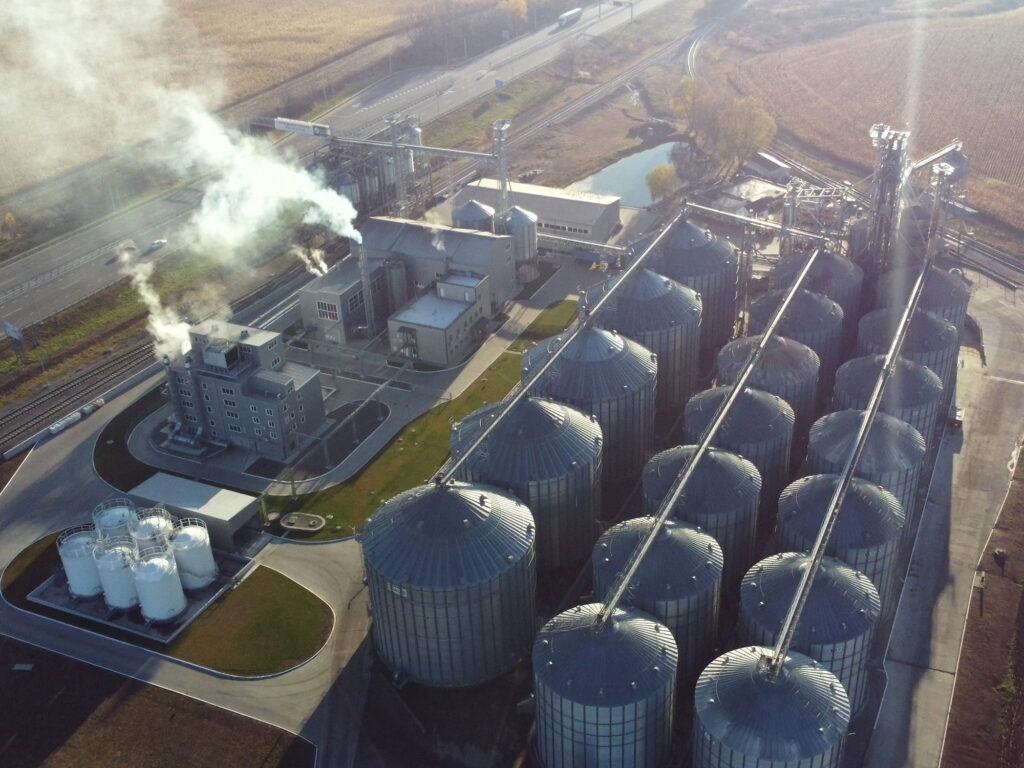
A Structural Issue, Not Just an Economic One
The issue isn’t merely about short-term corporate competitiveness. If CBAM is suspended, what happens to the long-term coherence of Europe’s industrial strategy?
Europe has positioned itself as a global leader in the energy and industrial transition. In recent years, it has launched the Green Deal, the Net-Zero Industry Act, and the Hydrogen Strategy. It has built one of the world’s most sophisticated carbon pricing systems and asked businesses to adapt, invest, and overhaul infrastructure to meet binding climate targets.
CBAM is a pillar of this policy. It ensures that the efforts demanded internally do not turn into a competitive advantage for those outside EU borders who are not subject to the same constraints. Weakening it now sends a contradictory signal at the exact moment European firms are making multi-year investment decisions based on those very rules.
When expectations for CBAM are scaled back, the incentive to invest in low-emission ammonia and decarbonization technologies evaporates. Industrial investors operate on ten, fifteen, or twenty-year horizons. A regulatory shift perceived as a sign of instability can stall or derail decisions that, once postponed, are unlikely to be recovered in time to meet transition deadlines.
Political Pressure and the Risk of a Short Circuit
It is worth contextualizing where the pressure to ease CBAM is coming from. Part of it stems from the agricultural sector, which is grappling with the rising costs of nitrogen fertilizers. Another part comes from industries that view the mechanism as a hurdle to global competitiveness, particularly against Asian and Middle Eastern producers operating with vastly lower energy and environmental overheads.
These concerns are legitimate and deserve targeted policy responses. However, the solution cannot be the abandonment or erosion of a core transition tool. Doing so would create a dangerous “short circuit”: using short-term economic hardship to dismantle a mechanism designed specifically to address long-term structural distortions.
Alternatives exist to support vulnerable sectors without sacrificing regulatory integrity. The conversation should shift to these auxiliary tools, rather than CBAM—which has only just begun its operational phase and won’t be fully implemented until 2026. Evaluating its impact now, using current market turbulence as an argument for a “race to the bottom” revision, means judging the tool before it has even had the chance to function.
Europe has spent years building a regulatory architecture for industrial transition that is unparalleled globally. CBAM is a foundational element of that structure. To undermine it now, under pressure from sectoral interests or short-term political cycles, would signal fragility to investors, trade partners, and domestic industries at the worst possible time.
Every tool can be refined. But the direction of travel matters just as much as the change itself. Weakening CBAM isn’t a course correction—it’s a massive step backward.